Walk inside a stone fish trap when the tide goes out
A stone wall that fishes with the tide, kept by hand for generations. The first Natural Monument in Andalusia — and you can walk into it.
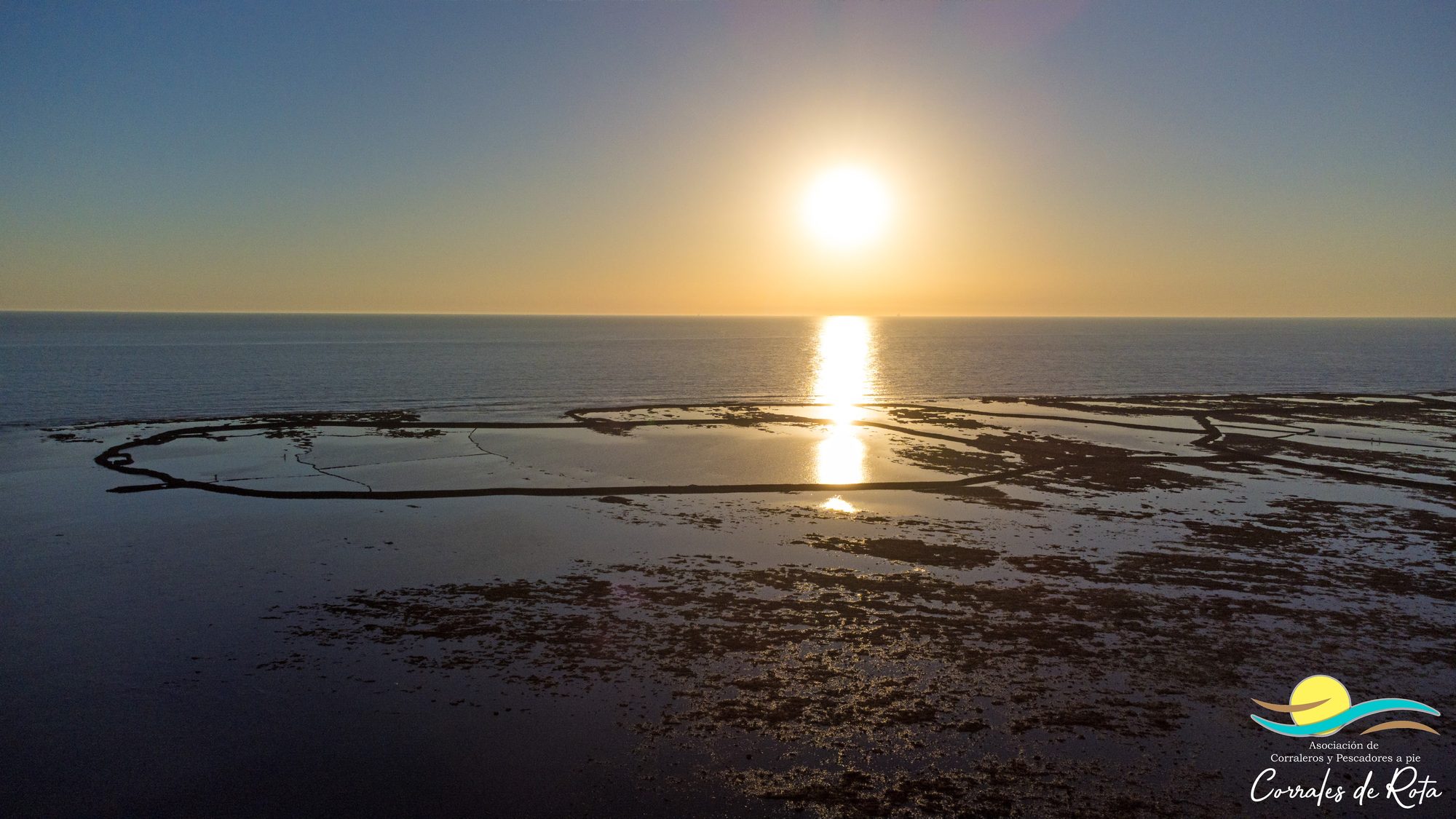
A stone wall that fishes with the tide, kept by hand for generations. The first Natural Monument in Andalusia — and you can walk into it.
On 2 October 2001 the corrales of Rota were declared a Natural Monument, the first in Andalusia. Twenty-five years on they are still standing, because they are looked after by hand, stone by stone.
A corral changes every six hours: the same wall is beach, lagoon and fishing ground within a single day.
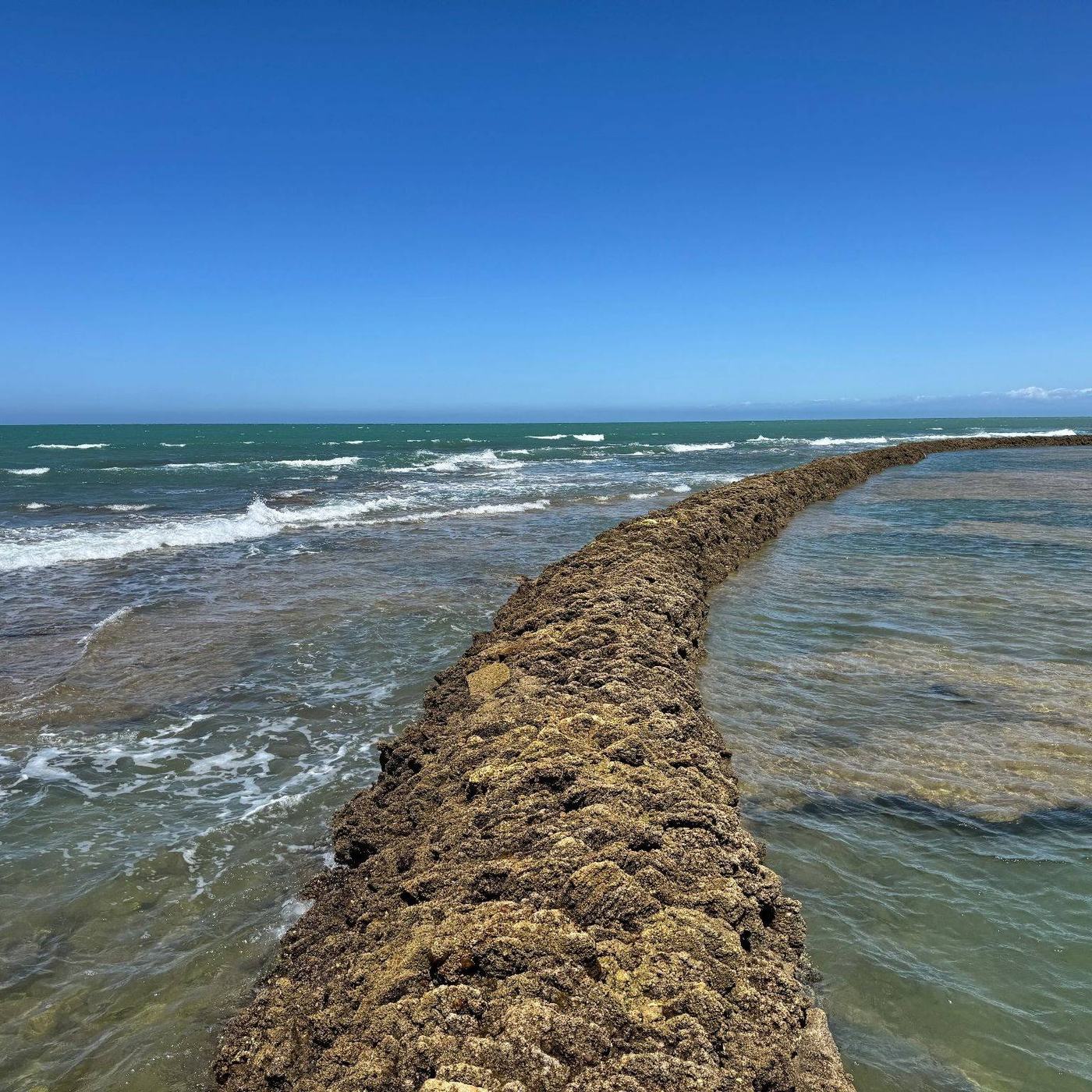
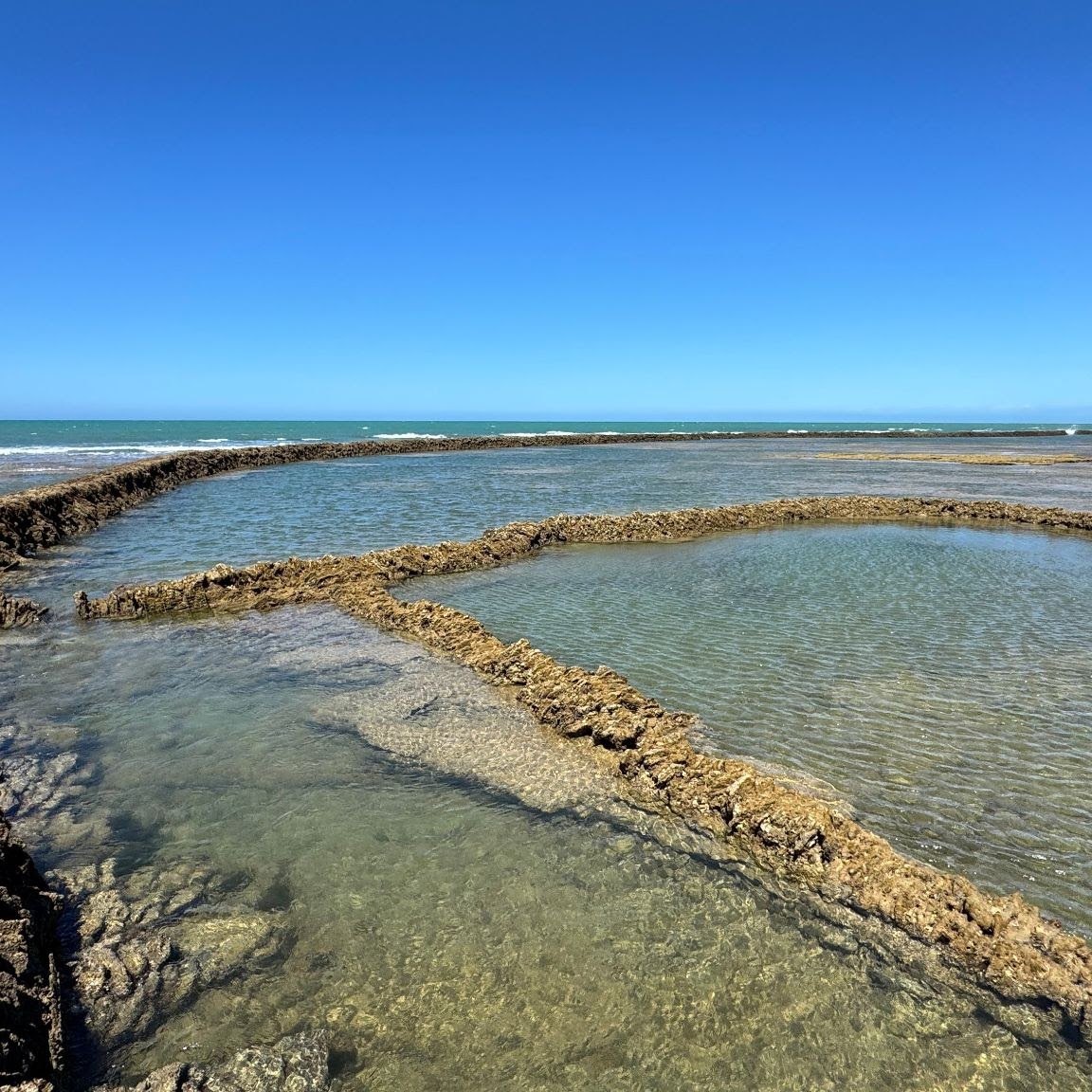
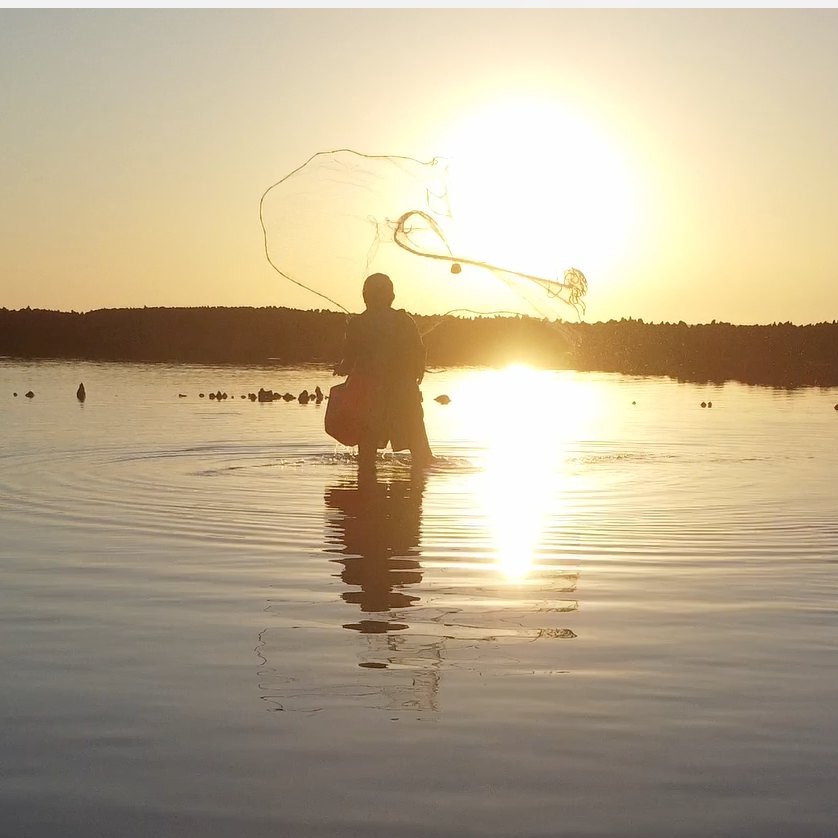
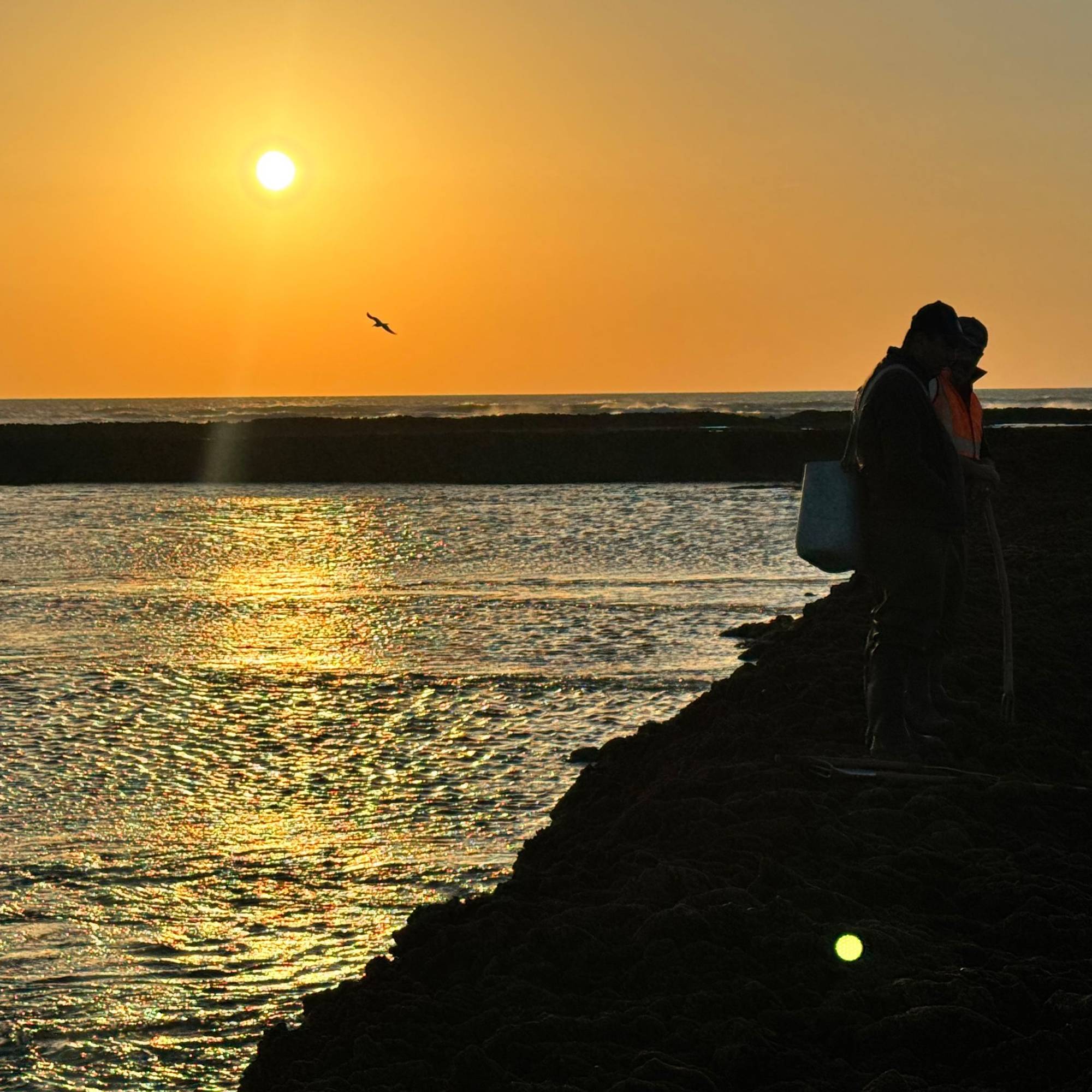
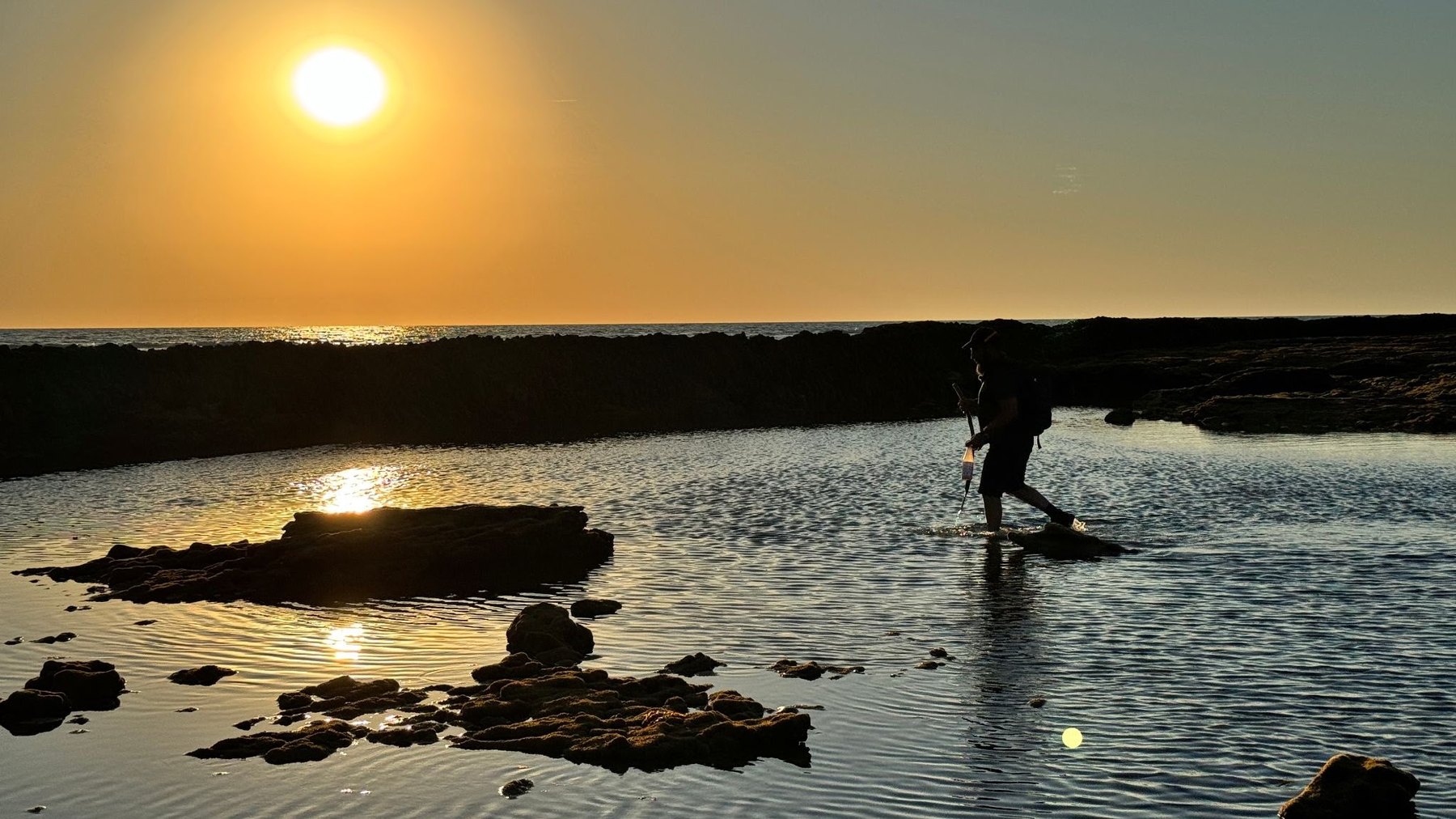
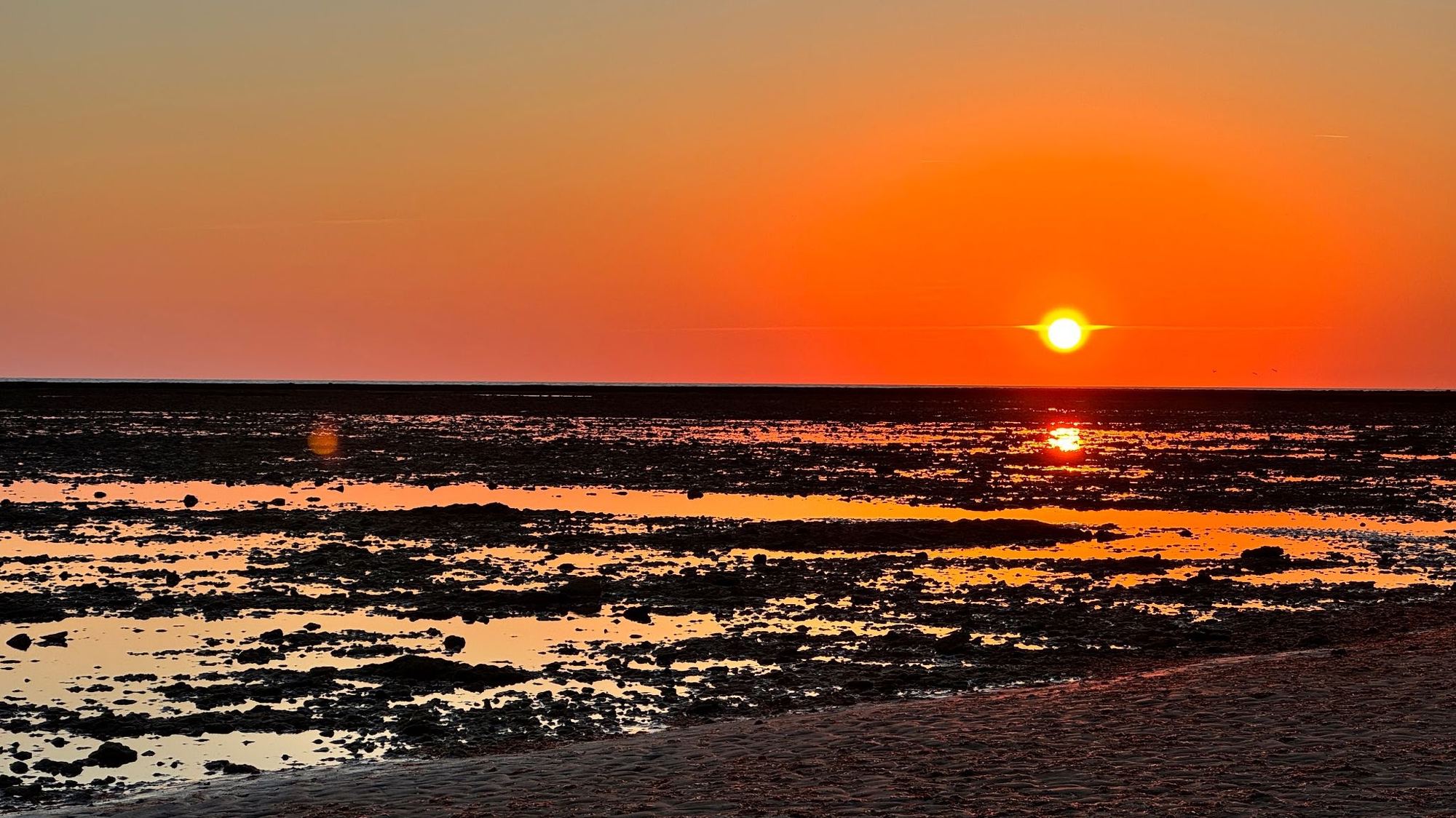
It is the category Andalusia uses to protect places of exceptional natural value. The corrales were the first in Andalusia to receive it, in 2001 — and they are unusual, because they are protected as nature and as human heritage at the same time.
They are not a ruin and not an ornament: they are an ecocultural monument, a work of stone that survives because it is still tended by hand. What the Natural Monument is, and what it protects →
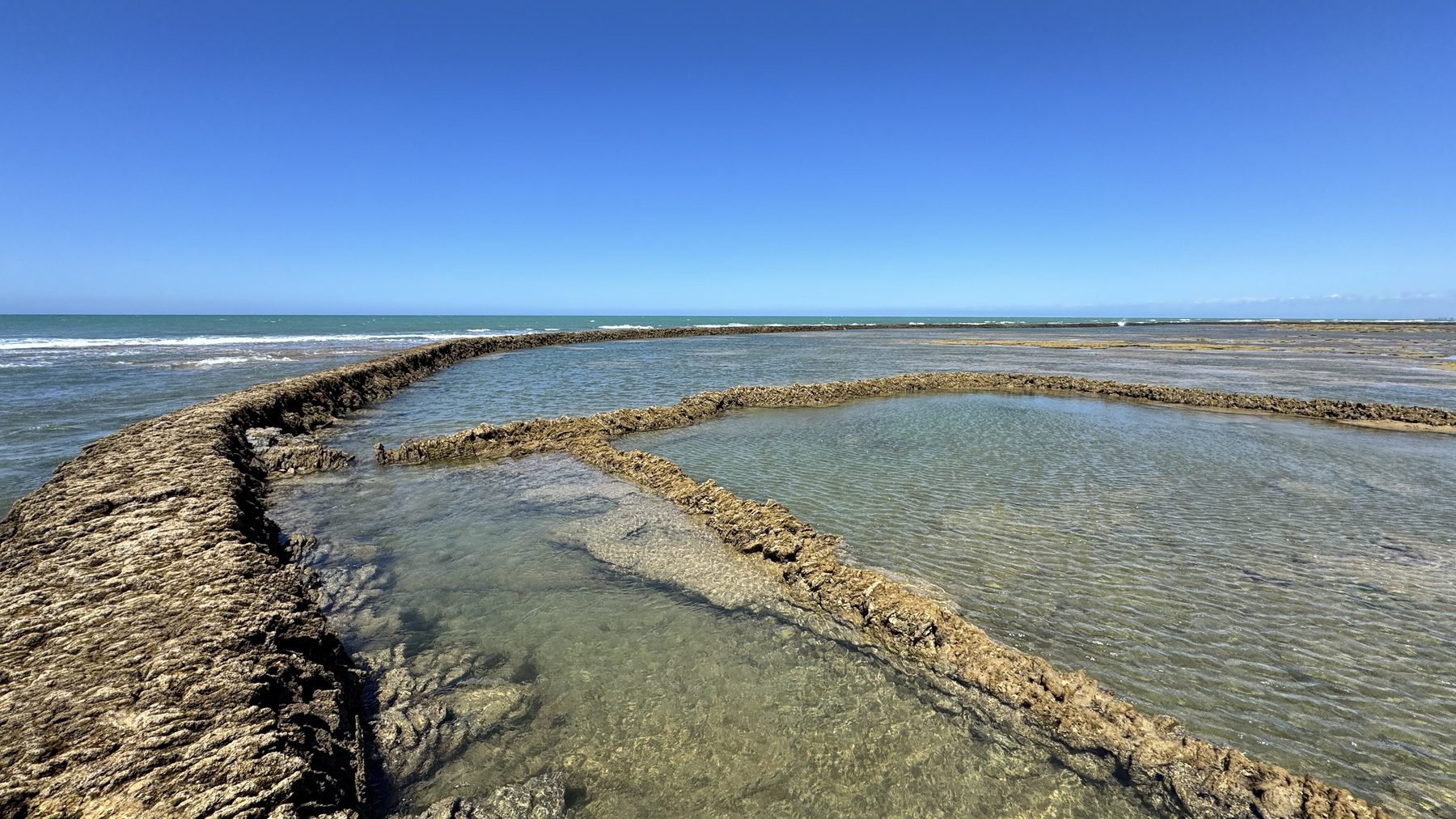
Five working corrales remain in Rota, cared for by the Association of Corraleros and Shore Fishermen.
This way of fishing goes back more than a thousand years, to Roman times, and it has barely changed: no engines, no trawl nets — just the wall, the tide and a pair of hands. The corraleros maintain it stone by stone, because the sea undoes whatever is left untended.
In 2001 the corrales of Rota were declared a Natural Monument, the first in Andalusia. They are not a ruin: they are a living cultural landscape, in use and under repair, with a richness of wildlife that grows in the shelter of the stone.
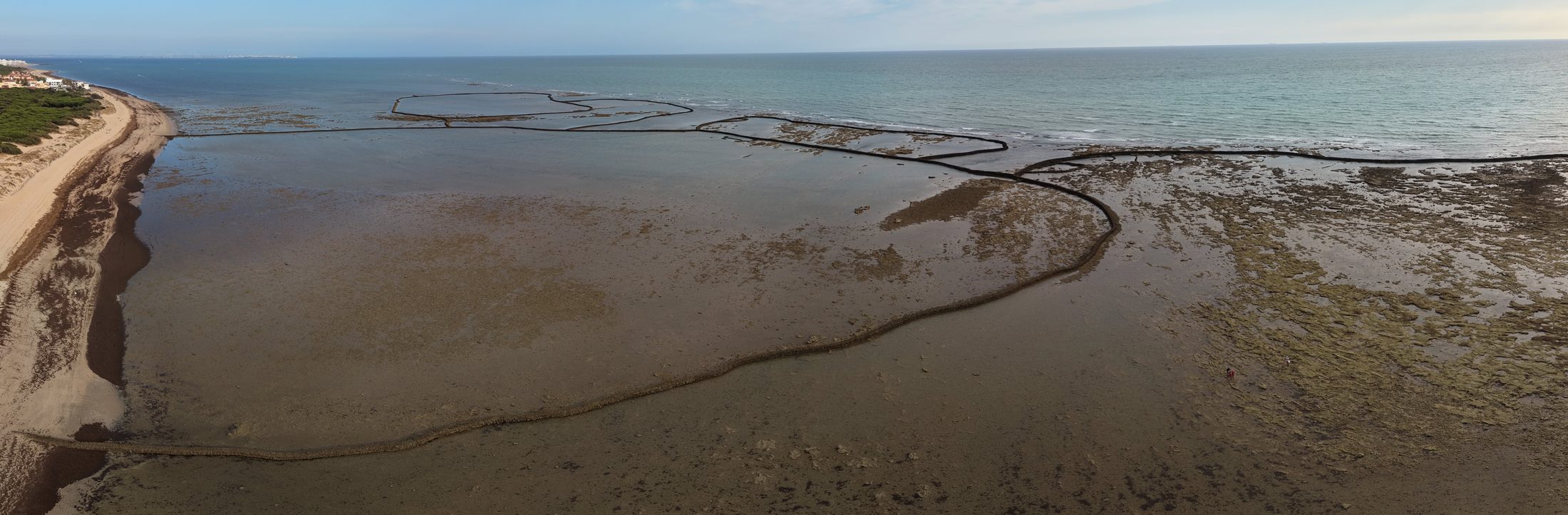
Five stone traps across the intertidal shore, maintained by hand.
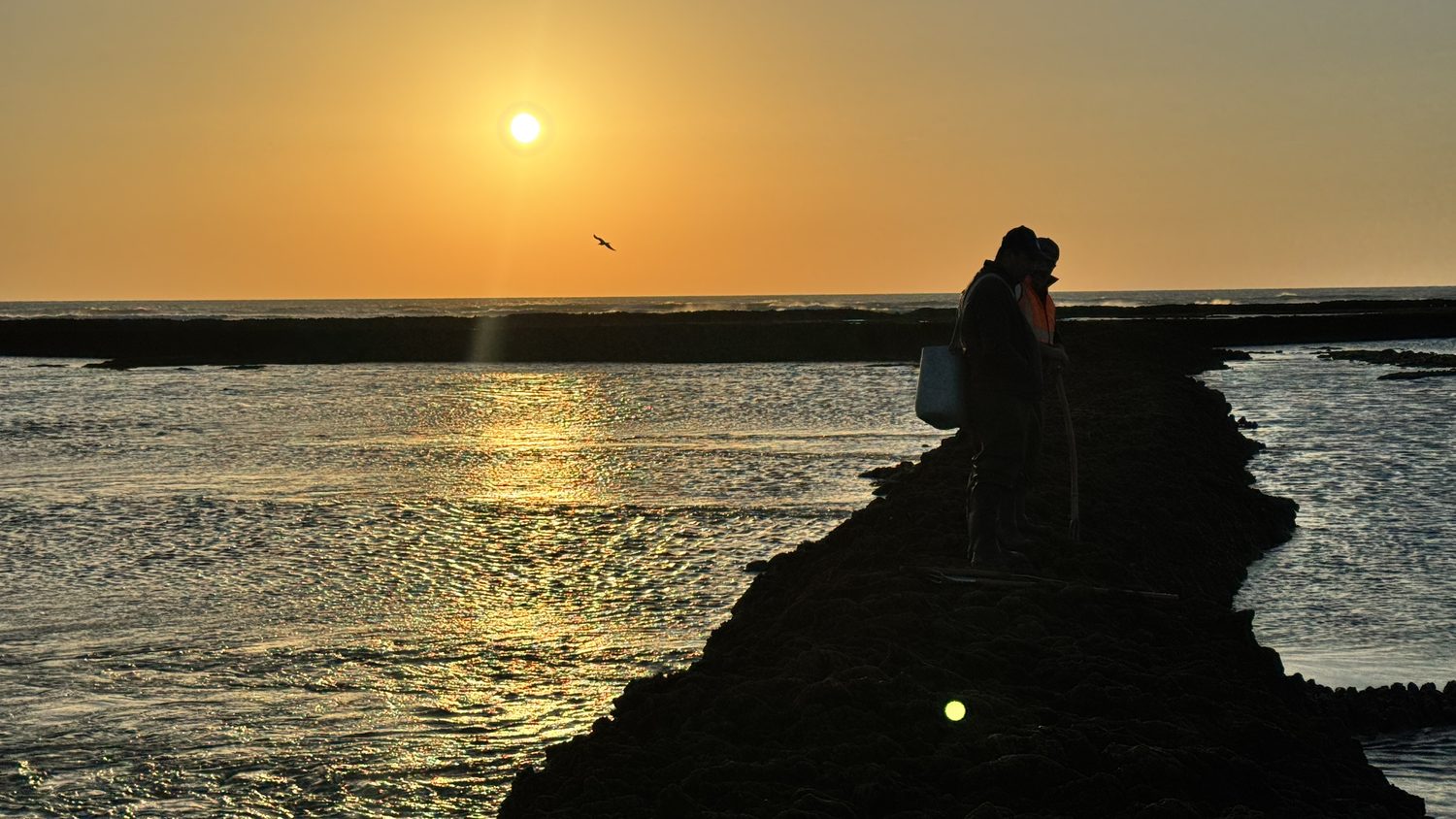
The best way to understand a corral is to walk into one.
The corraleros run guided visits whenever the tide allows. You walk inside the wall, see how the water is held back and how the catch is taken, and hear the craft explained by the people who keep it going.
The visit carries a €5 donation per person, €2.50 for under-14s, and booking is online. Everything the association receives goes straight back into conserving the monument.
How to visit and bookThe corrales are the centre of it, but they are not alone. Around them lie marshes, pine woods, dunes, chameleons and old tracks. Each one draws a different visitor, and every one of them leads back to a walk inside the corrales.
Flamingos, spoonbills, waders and raptors, minutes from the town.
The pine forest few visitors ever find.
The ridge of sand that shields the coast.
One of its last strongholds on the Cádiz coast.
An old railway line, now a walking and cycling route.
A little-known corner of Rota.
Plants from half the world, and good for all ages.
Sand, pine wood, and the corrales surfacing at low tide.

Every week we publish the maintenance work, the visits and the state of the monument.
The association writes its blog in Spanish. Your browser can translate it.
.jpeg)
Los corraleros Margallo y Capote han completado nuevos trabajos de mantenimiento en el muro del corral de San Clemente durante la última marea baja. Las mareas vivas y…
Read on the blog →.jpg)
El pasado viernes 9 de octubre visitamos la torre de control de la Base Naval de Rota para agradecer al personal de los Servicios Aéreos (SEARO) su colaboración durante…
Read on the blog →
Hoy recibimos al primer grupo de visitantes de nuestro nuevo programa de invierno. Es un hito para la asociación: por primera vez en la historia organizamos visitas…
Read on the blog →For press, partnerships or questions about the corrales and the association. To book a visit: online at reservas.loscorralesderota.com/en/.
Email
info@loscorralesderota.com
Where we are
Rota, Cádiz, Andalucía, España