The Natural Monument of the corrales
What this designation is, what it protects, and why it is unusual: a place that is nature and human work at the same time, and stays alive because it is tended by hand.
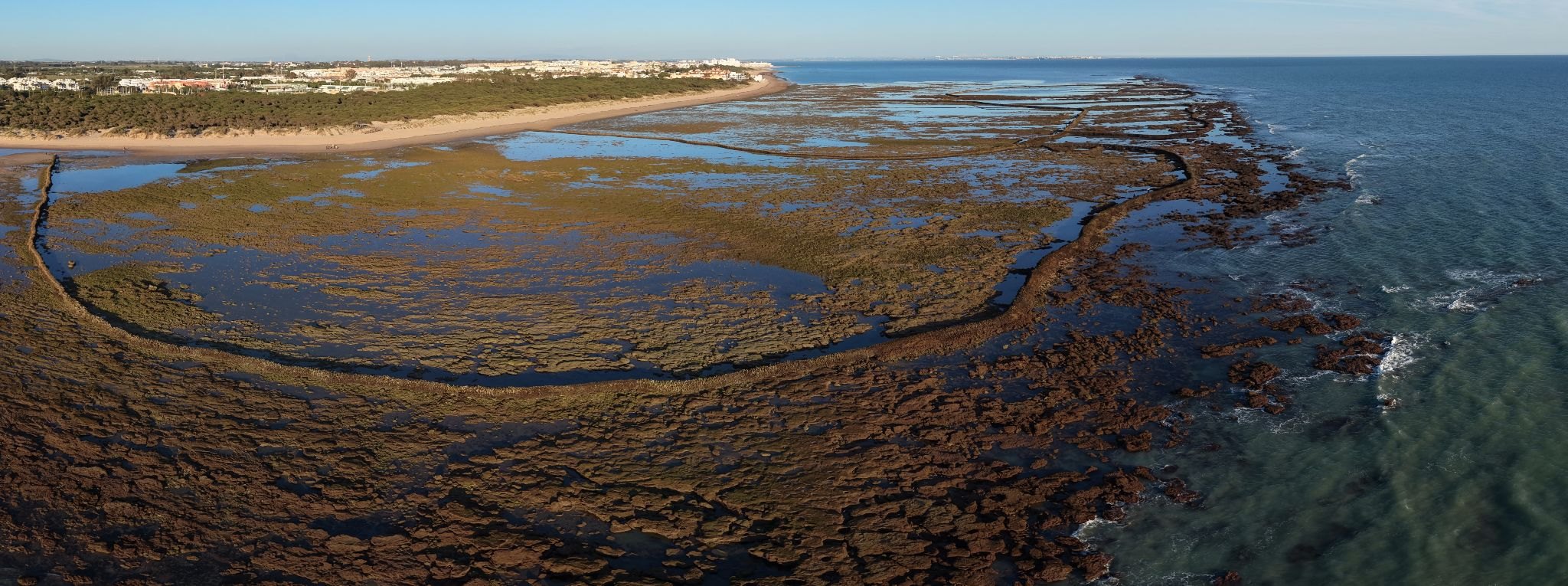
What this designation is, what it protects, and why it is unusual: a place that is nature and human work at the same time, and stays alive because it is tended by hand.
A Natural Monument is the category Andalusia uses to protect places of exceptional natural value. It is a legal class of protected area, not an honorary title.
The corrales of Rota were declared a Natural Monument on 2 October 2001, the first in Andalusia, and with an unusual twist: they are protected as nature and as human heritage at the same time. It is a monument of ecocultural character.
2026 marks 25 years since that declaration.
This is not a reserve where human hands are the problem. It is the opposite: a work of stone more than a thousand years old, going back to Roman times, which exists only because it is tended by hand, tide after tide. The boundary of the monument takes in the intertidal shore, the walls, and the seagrass meadow that grows in their shelter.
A corral is a low dry-stone wall, curved across the beach. It has no engines and no nets: it works on nothing but the water rising and falling, twice a day.
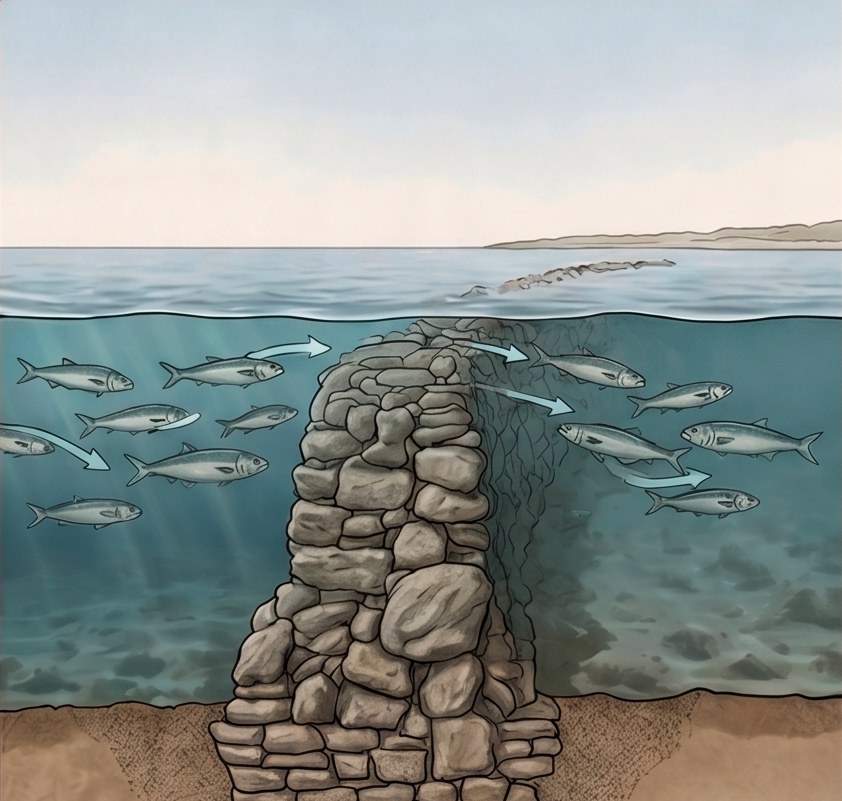
Water covers the wall and fish ride in over the stone, towards the shore.
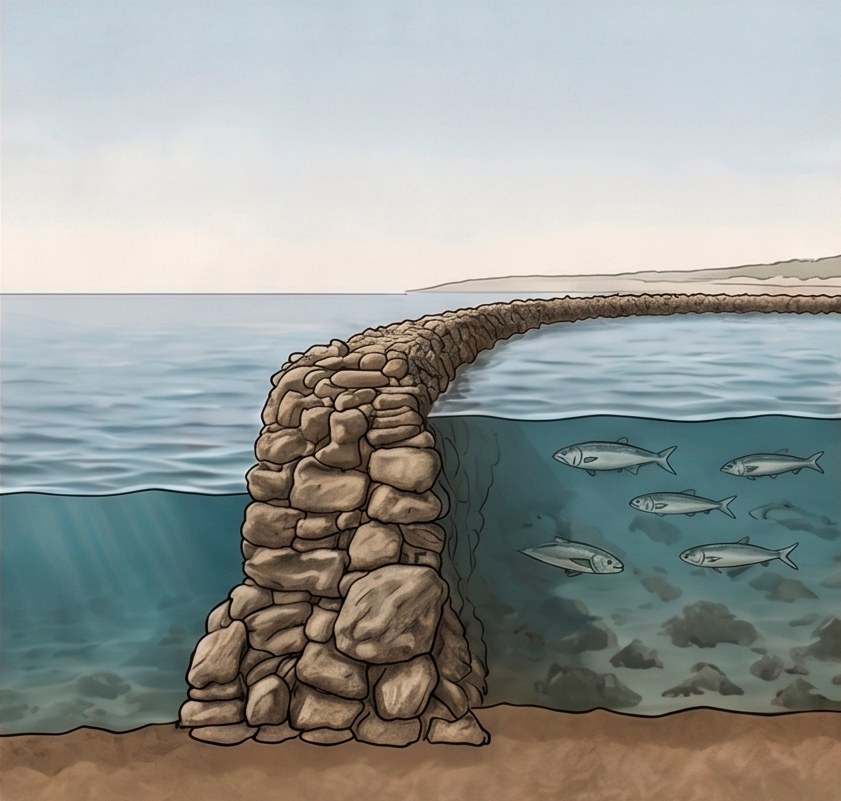
The sea pulls back, but the wall holds the water in. The fish are left inside the corral.
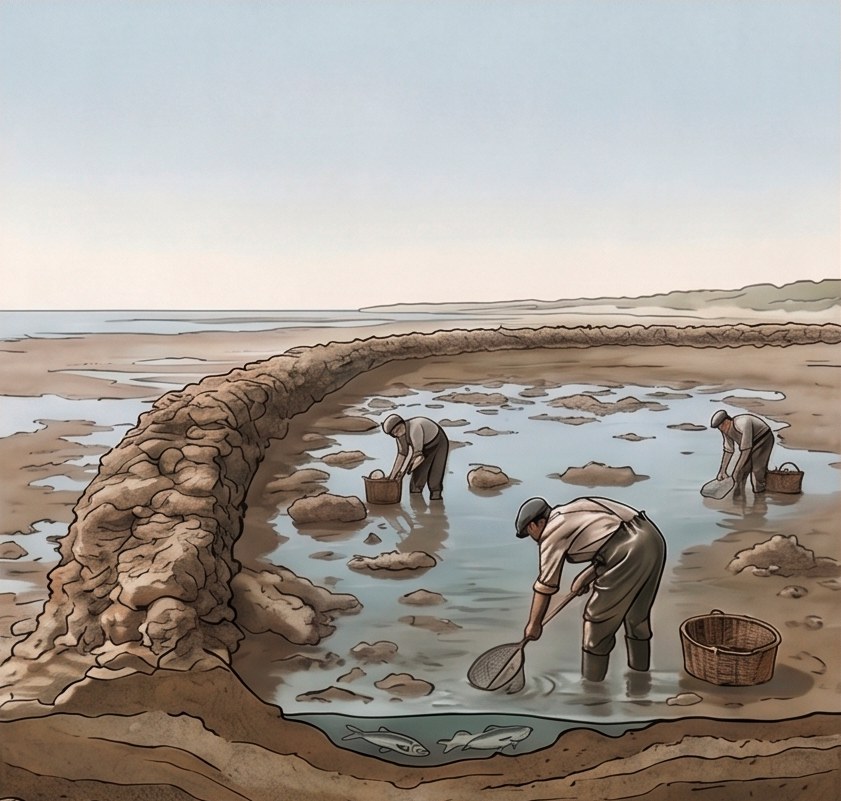
At low water you walk inside the corral and gather the catch by hand, over the sand and the seagrass meadow.
The pools and crevices hold juvenile fish, crustaceans and molluscs — cuttlefish, octopus, crabs, shrimp — before they head out to open water.
Under the water grows a meadow of marine plants that provides food and shelter. The monument's boundary protects it along with the walls.
At low tide the corral is left exposed and works as a feeding ground and natural hide for waders and seabirds.
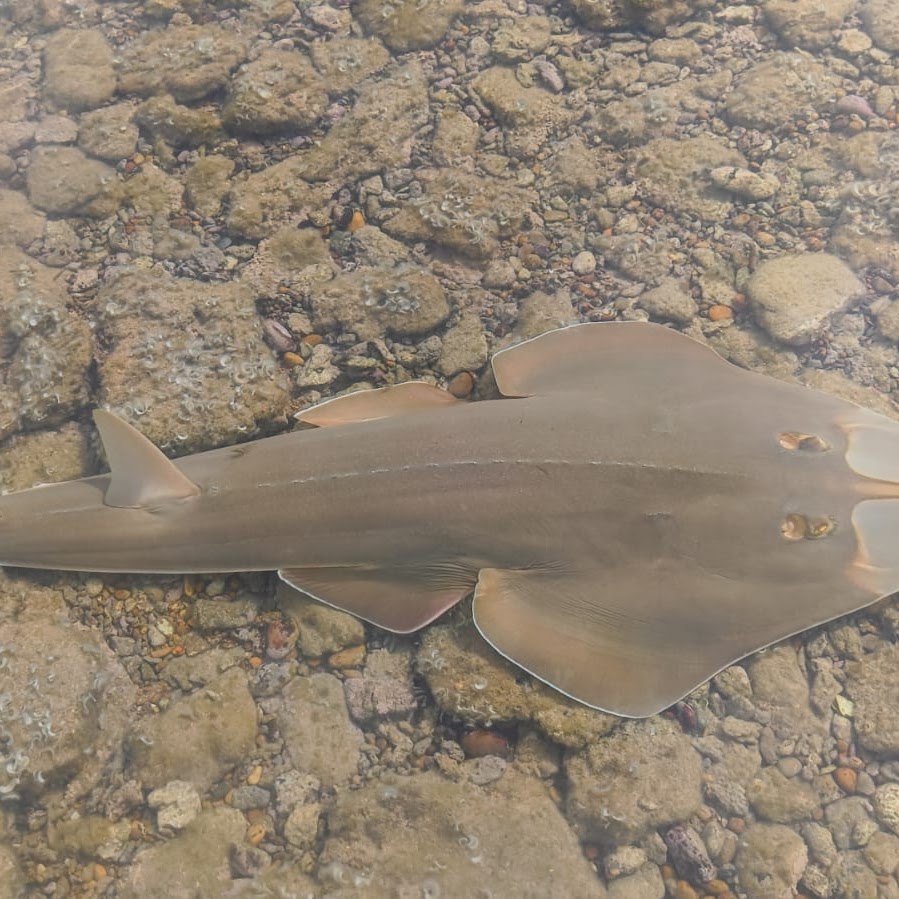
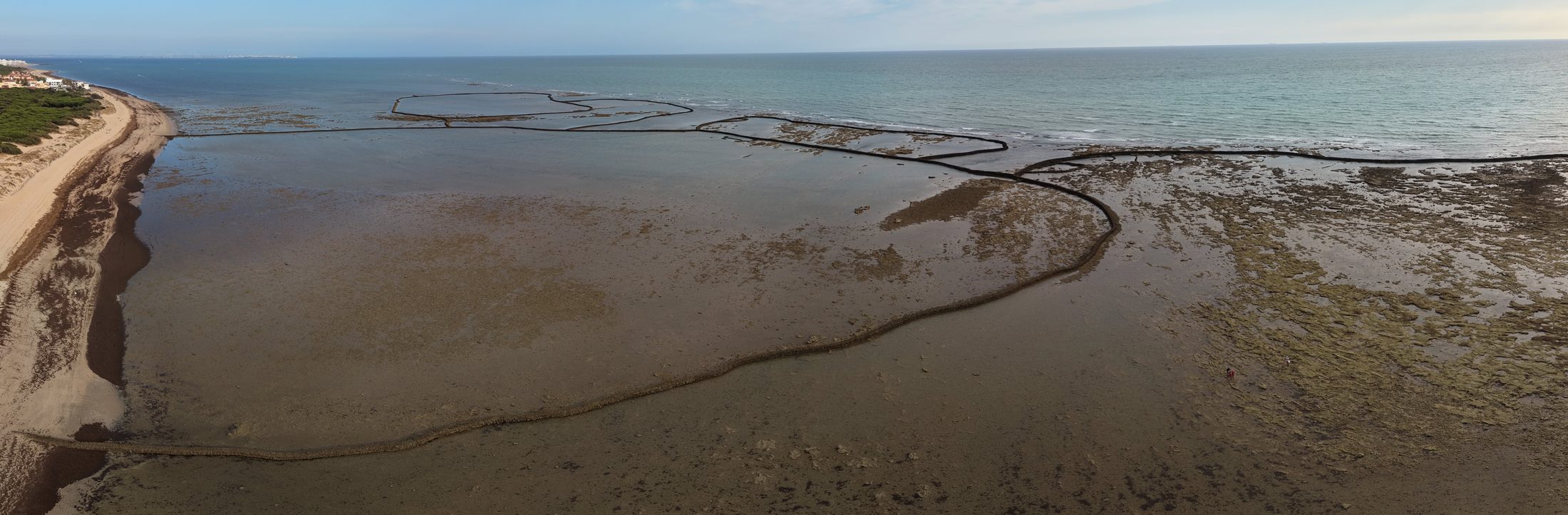
The pattern of the walls only appears at low tide: a landscape that changes every six hours.
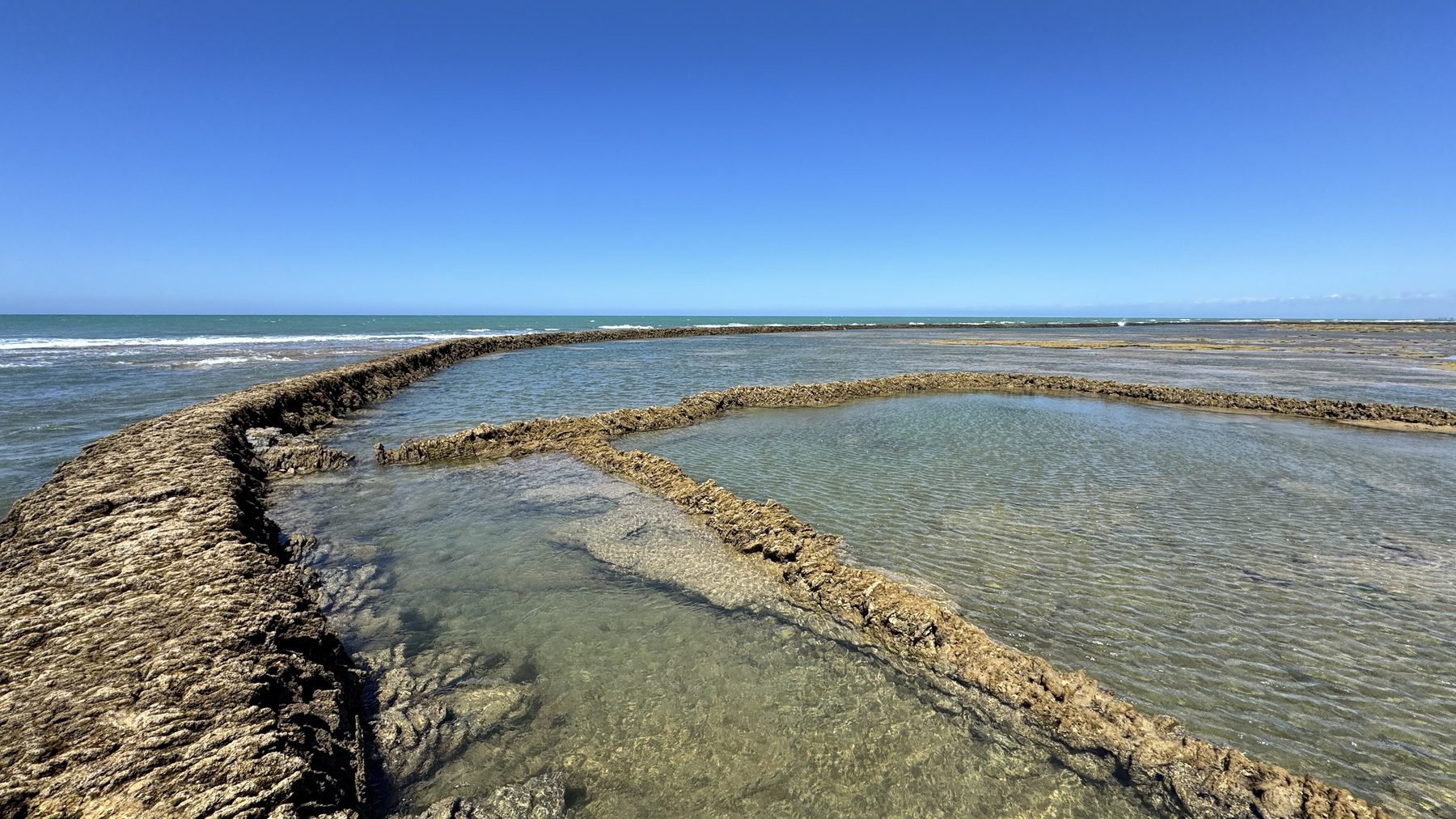
Unlike most protected areas, this one needs constant maintenance.
The sea knocks the stones down and the corraleros put them back by hand, without mortar, clear the weed and keep watch over the site. It is the only way a monument of stone stays standing and in use.
That is why every euro the association receives goes back into conserving, rebuilding and maintaining the monument.
How to visit the corralesThe Natural Monument holds the Q for tourism quality and the S for tourism sustainability, two Spanish certifications awarded by the Instituto para la Calidad Turística Española and reviewed through regular audits. Rota Town Council holds them for the monument as a whole, and renewing them also depends on the work of the corraleros. The corrales were the first protected natural area in Spain to earn the S.
You walk inside the wall at low tide, guided by the corraleros. The visit carries a €5 donation per person, €2.50 for under-14s, and booking is online.